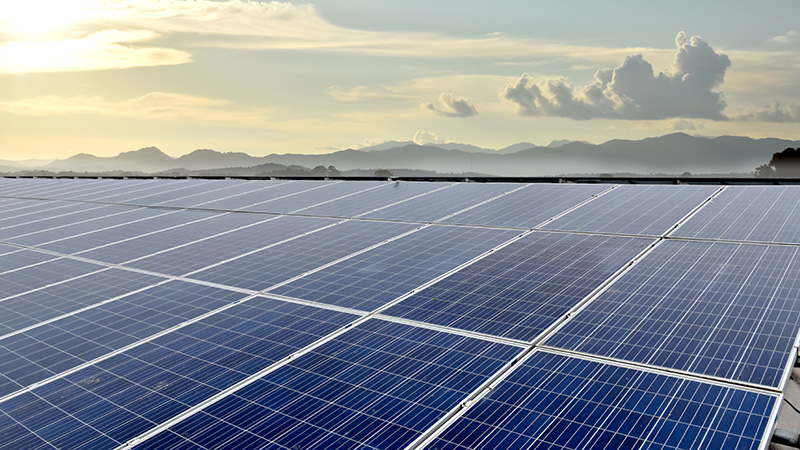
The future is looking pretty sunny
Energy produced from solar is growing rapidly in Aotearoa New Zealand as equipment costs decrease and commercial-scale installations come online,

Energy produced from solar is growing rapidly in Aotearoa New Zealand as equipment costs decrease and commercial-scale installations come online,

Introduction B.I.G. welcomes the opportunity to comment on this first of its kind National Guideline for Safe Management of End-of-Life
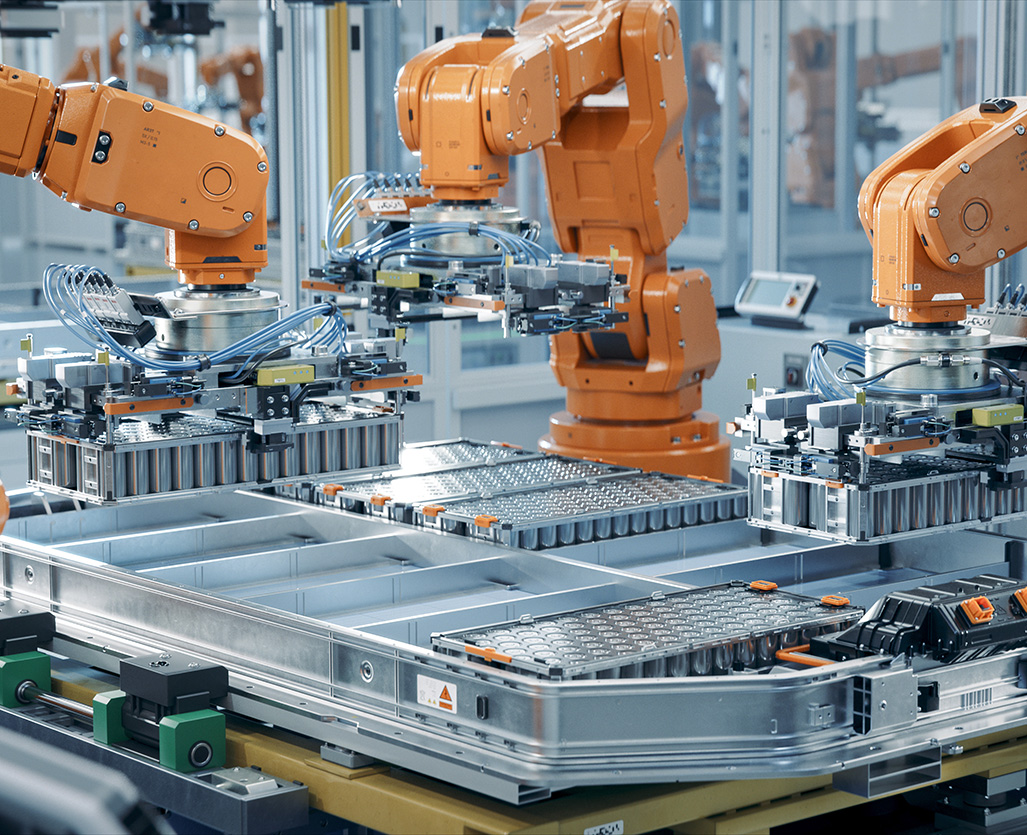
Just a few weeks ago, the world’s largest battery maker CATL signed a deal to start the production of batteries
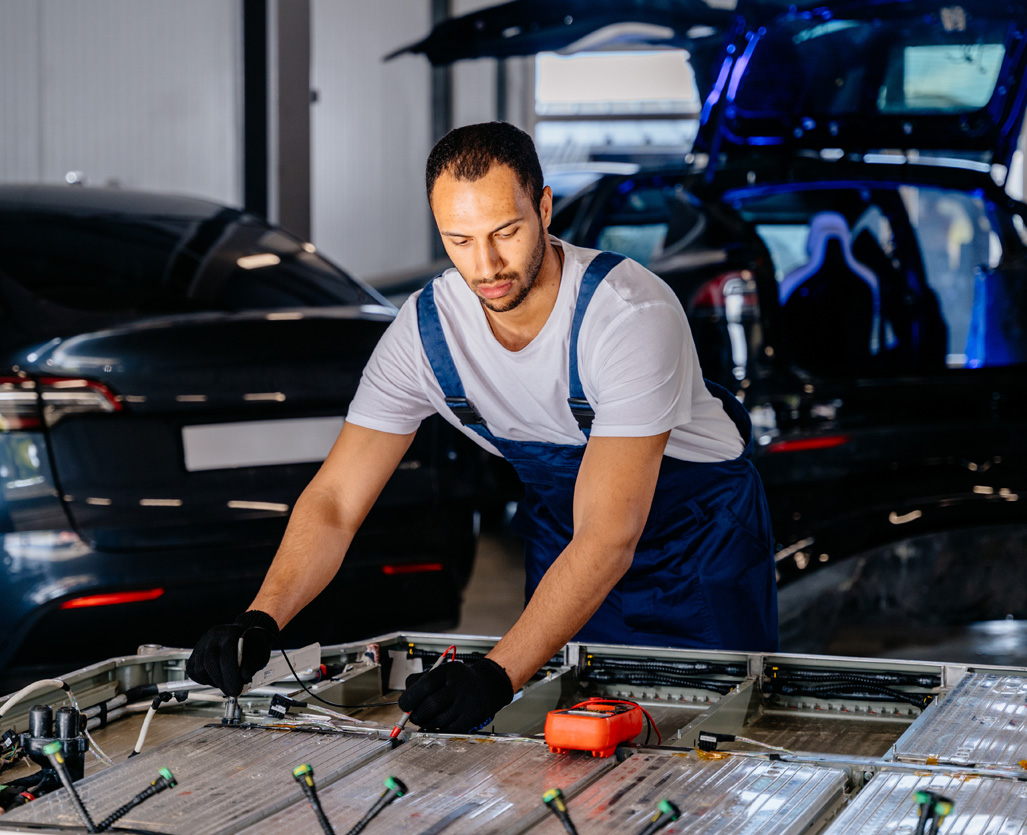
Around the world, battery stewardship schemes are proving that end-of-life EV batteries aren’t just waste—they’re opportunities. By learning from international leaders, New Zealand can design a system that is safe, circular, and world-class from the start.

Around the world, battery stewardship schemes are proving that end-of-life EV batteries aren’t just waste—they’re opportunities. By learning from international leaders, New Zealand can design a system that is safe, circular, and world-class from the start.
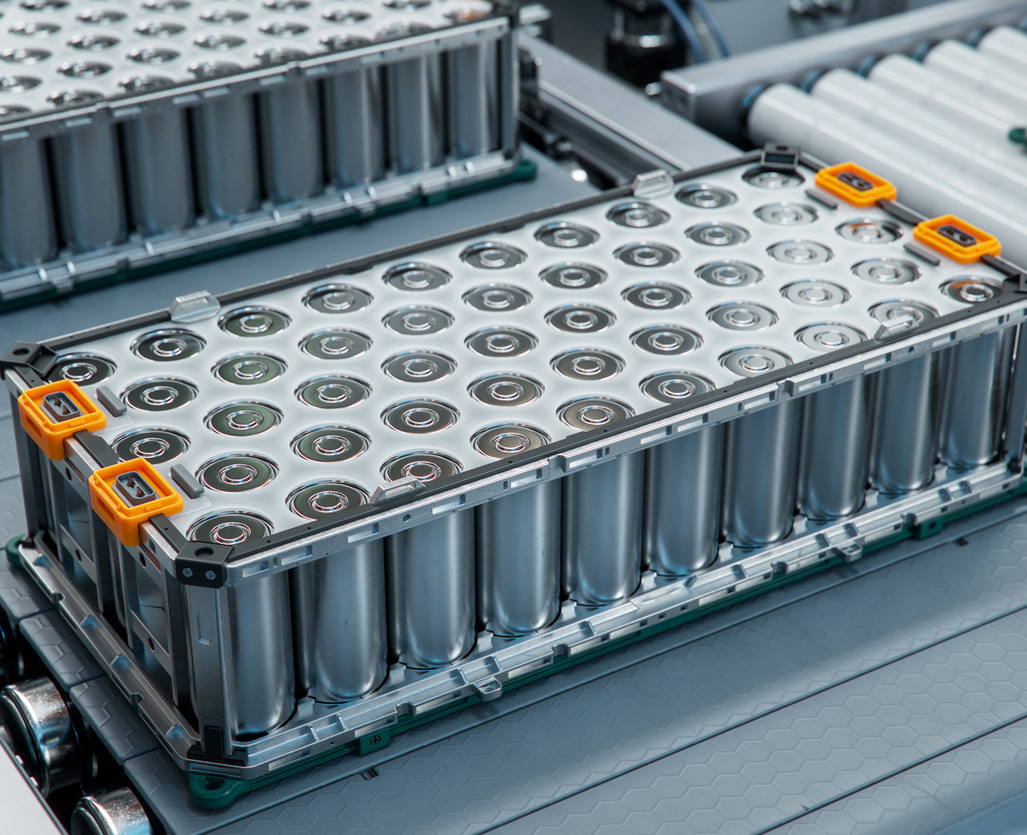
Around the world, battery stewardship schemes are proving that end-of-life EV batteries aren’t just waste—they’re opportunities. By learning from international leaders, New Zealand can design a system that is safe, circular, and world-class from the start.
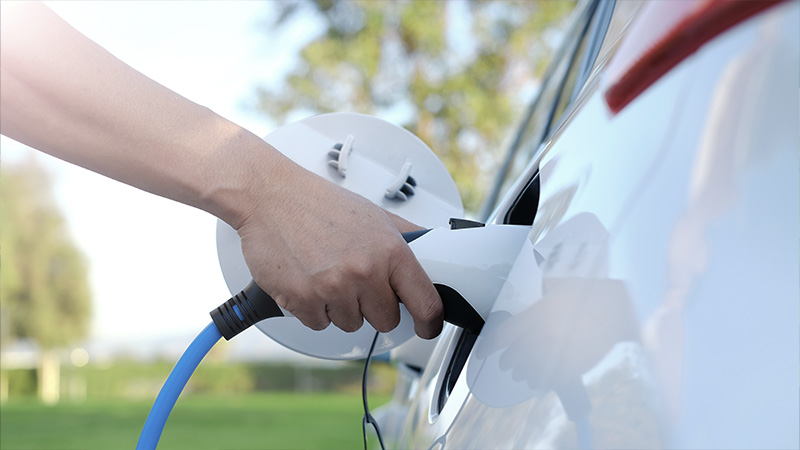
Two years after Europe launched the first digital battery passport, the lessons are clear: traceability delivers value, but pitfalls remain. B.I.G. is urging New Zealand to act now on stewardship to protect communities, enable circular solutions, and keep pace with global standards.
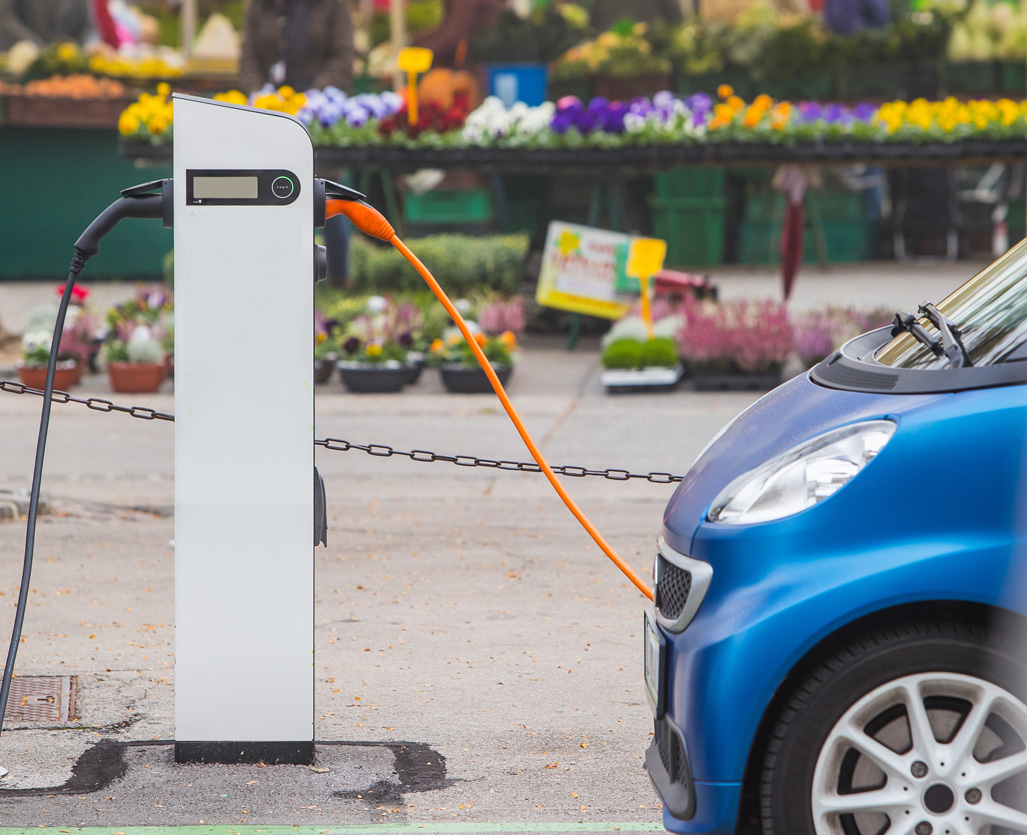
Industry leaders have reignited efforts to create safe, circular solutions for large batteries in New Zealand. At B.I.G.’s August workshop, stakeholders agreed the time to act is now, building momentum for a national stewardship scheme that protects communities and aligns with global standards.
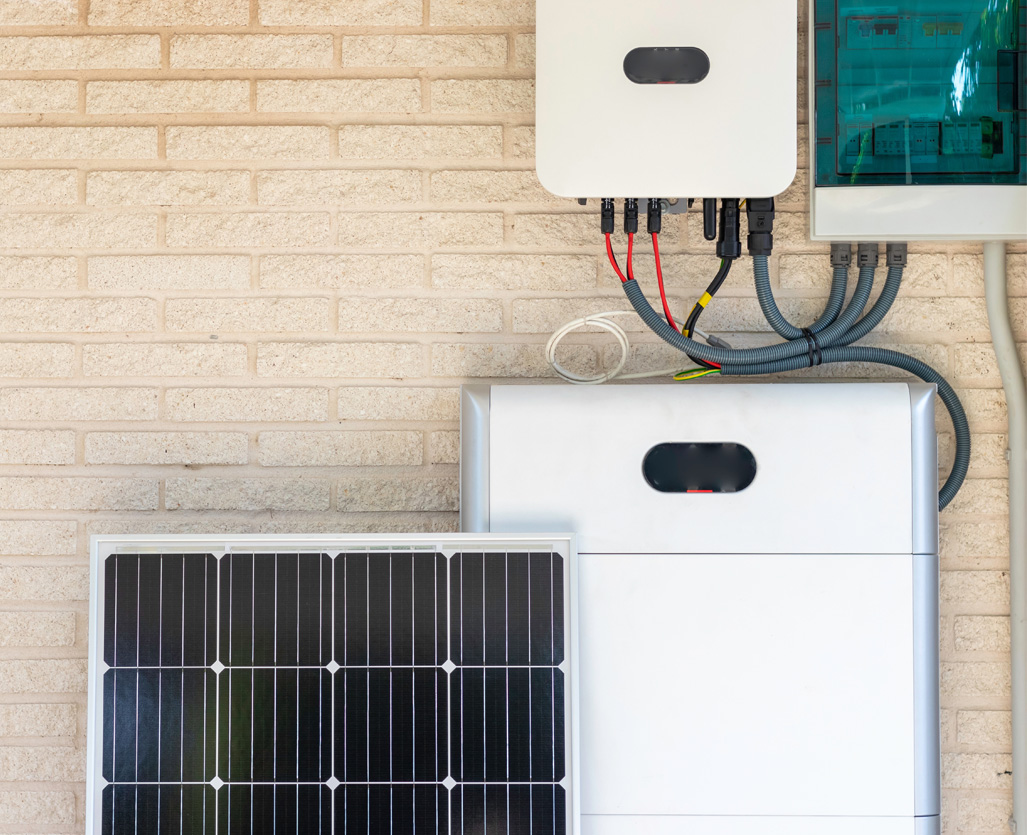
Transitioning away from fossil fuels to energy systems which use batteries can’t just be about reducing emissions during use but must take a holistic approach. This means reducing a battery’s environmental impact from the extraction of the materials which make it up, through to how it’s dealt with at the end of life.
To find the most sustainable solutions we must turn to the waste hierarchy.

Ever heard of a passport for a battery? The European Union this month announced regulations requiring large batteries to have one. And where Europe goes, very often, so does the rest of the world, including Aotearoa New Zealand.