Just because a large battery is no longer fit for purpose in a vehicle doesn’t mean it can’t have a second life. Power storage is an excellent option and it’s creating a new micro-industry. In Australia a new group of buyers is turning out at vehicle salvage auctions looking to snap up EV batteries. An article in The Guardian highlighted the surging interest in second-hand batteries and the rapid growth of a new industry which is beginning to emerge around them for energy storage units.
A MarketsandMarkets report estimates the second life EV battery market, measured in gigawatt hours, is set to increase 10-fold by 2030.
What’s driving the demand for re-using large batteries?
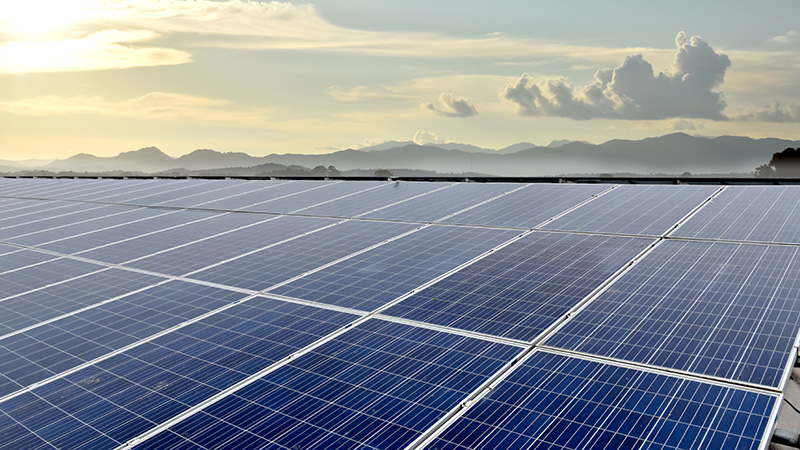
Home solar systems with batteries are far more effective at reducing power costs for consumers than those without. They charge while there is excess production, or when electricity is cheapest, for use when power is most expensive – usually at times when there is little or no sunlight.
This also helps stabilise the grid because it reduces demand on the grid at peak times such as first thing in the morning or early evening.
Batteries in large commercial energy storage applications, such as data centres, work in the same way – to stabilise the grid at times of high demand.
While an EV battery might not be fit for purpose when it loses some of its ability to retain a charge (usually when around 30% is lost), it’s still more than adequate to reuse or refurbish to store energy in a home or commercial solar system, and it’s cheaper than a brand new full capacity battery.
Competition with materials recovery
It makes more sense from a pure waste hierarchy and circular economy viewpoint to reuse and refurbish large batteries. But second life usage competes directly with the high demand from original manufacturers for the return of valuable materials such as lithium, cobalt and manganese for recycling into new large batteries.
But as battery technology changes, the demand – and therefore the prices – for some materials may decrease over time.
Safety concerns
The unregulated adaption of batteries from electric vehicles for other uses raises some serious safety concerns – particularly from vehicles that may have sustained damage.
How is the batteries’ safety being assessed? What qualifies someone to assess and refurbish them safely? Currently, that’s the wild west, and, apart from the demand for raw material recovery, is one of the reasons original manufacturers and brand owners are reluctant to see their batteries being used in this way – it’s a reputational risk.
The role of stewardship
With a view of the whole ecosystem, a stewardship scheme can help ensure that batteries go to the most appropriate use available at the time they reach end of life.
A large battery scheme can also play an important part in bringing together stakeholders to help develop standards for training and qualifications, as well as standards for the reused and refurbished batteries themselves.